
When you’re home with a baby or toddler, the outside world can feel miles away. But getting involved in your local community doesn’t have to mean attending every town hall meeting or organizing a neighborhood watch. It can start with something as simple as a weekly playgroup at the library or a shared meal with other families. For parents of young children, community involvement is less about obligation and more about building a web of support—people who understand that your toddler just smeared yogurt on the sofa and you need someone to laugh with instead of judge.
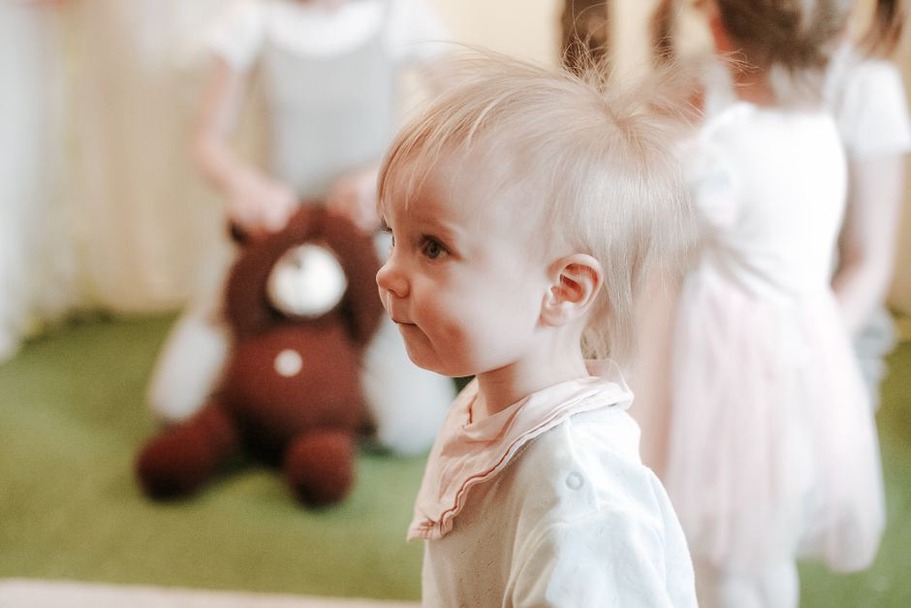
Why community matters when you have little ones
Isolation is one of the hardest parts of early parenting. You’re suddenly responsible for a tiny human, your social life shrinks, and even a trip to the grocery store can feel like an expedition. Connecting with your local community can ease that loneliness, give your child a chance to interact with others, and remind you that you’re not in this alone. It also models something important: that life happens beyond your front door, and that helping others and accepting help are both okay.
Five low-pressure ways to connect
You don’t need to overhaul your schedule. The key is to start small and choose activities that fit your current energy level and your child’s temperament. Here are five ideas that work for many parents of babies and toddlers:
- Library storytime or baby rhyme time. Most public libraries offer free, drop-in sessions for babies and toddlers. They’re short (usually 20–30 minutes), designed for wiggly kids, and you can leave early if things go south. You’ll meet other parents in the same boat, and librarians often know about other local resources.
- Parent-and-child groups at community centers. These can be structured (music, movement, art) or unstructured (open play). They’re a chance for your child to explore a new space and for you to chat with adults. Many centers offer sliding-scale fees or free trial sessions.
- Shared meals or potlucks with other families. If you’re already focusing on family meals and introducing solids, a casual potluck with a few other parents can be a low-stakes way to socialize. Everyone brings something easy, kids eat (or throw) their food, and you trade stories about picky eating. It aligns naturally with the rhythm of family feeding.
- A walking group or stroller fitness class. Exercise and fresh air are great for your mental health, and doing it with others keeps you accountable. Many communities have free walking groups for parents—check local parks or Facebook groups. Even a weekly 30-minute loop around the park can become a highlight of your week.
- Volunteering in small, kid-friendly ways. Yes, volunteering with a toddler sounds chaotic, but some organizations welcome families. Think: helping at a community garden (digging in dirt is a toddler’s dream), baking cookies for a senior center, or sorting donations at a local food bank for an hour. The goal isn’t to save the world—it’s to step out of your bubble and show your child that helping feels good.
Navigating the overwhelm
Even low-pressure options can feel like too much when you’re deep in the autopilot phase of early parenting. You might worry about your baby crying through storytime, or feel too tired to make conversation. That’s completely normal. Start with one activity that requires almost no preparation—library storytime, for example—and give yourself permission to leave after ten minutes if it’s not working. Over time, you’ll figure out what fits your family.

When community involvement feels like one more thing
If you’re already stretched thin, the thought of “getting involved” can feel like pressure. Remember: community is about mutual support, not performance. You don’t have to attend every event or become the group organizer. Sometimes just showing up once a month is enough. And if you’re in the thick of the first months with a newborn, give yourself grace—survival mode is valid. Community will still be there when you’re ready.
Making it work for your relationship
Getting involved can also strengthen your partnership. If you and your partner trade off attending a parent group, you each get a break and a chance to connect with others. Some communities offer “parents’ night out” programs where kids are supervised for a few hours—perfect for a home date or a quiet evening together. Even a shared goal like joining a family-friendly community garden can give you a project to talk about that isn’t just diapers and sleep schedules.
This weekend, look up your local library’s storytime schedule. Even if your baby sleeps through it, showing up is a start.